
13 Oct Meta Finds Its Muse
Posted at 15:07h
in INSIGHTS
Of the big AI spenders, Meta has long had one of the largest budgets but has lagged peers in developing a leading AI agent. That changed on 8 September, when Meta launched Muse, a personal AI agent that does not just answer questions but acts on them: sending emails, booking travel, filling in forms and checking out purchases. Within ten days, it was the No. 1 free app on the US App Store, and by the close on 25 September, Meta shares were up over 30% for the month, on pace for their best month since July 2013.
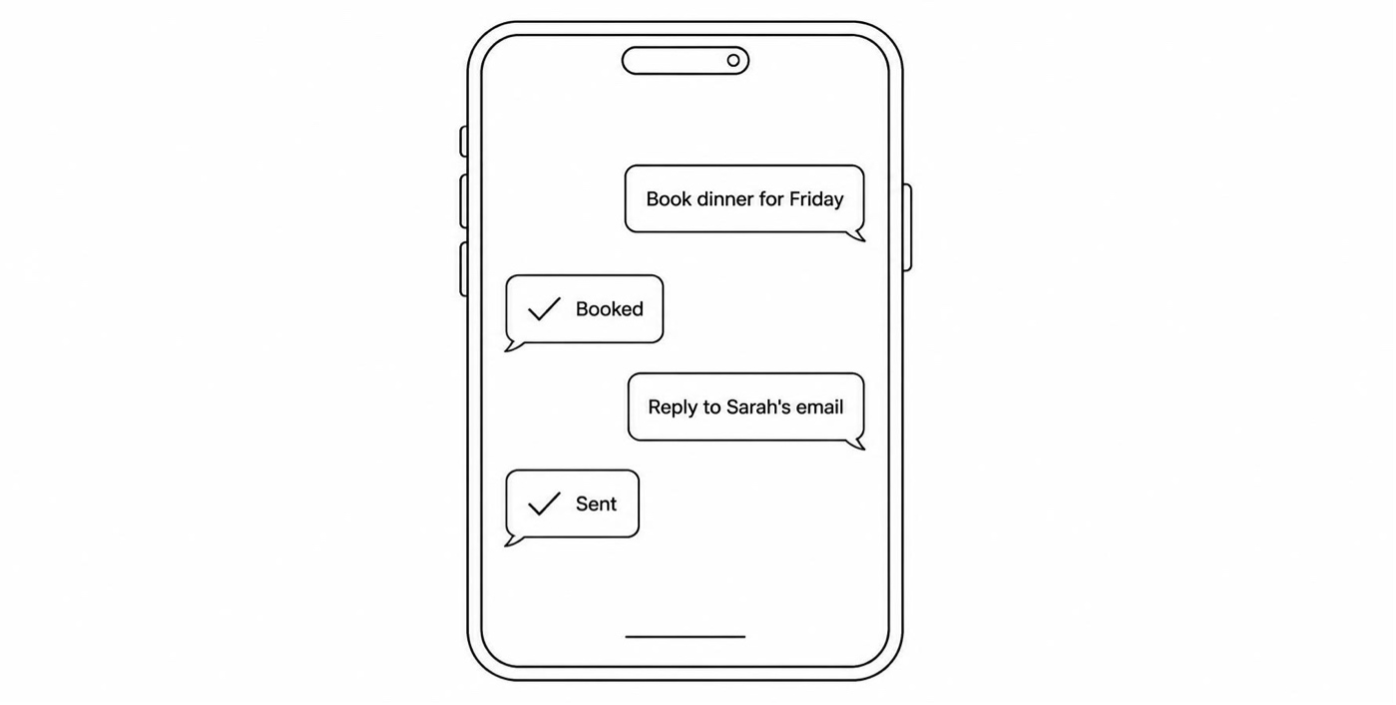
Muse’s early success owes less to the underlying model than to how easy Meta has made it to use. Most AI agents so far have been built for the technically minded and have asked users to learn a new tool before it can do anything useful. Meta has taken the opposite approach: Muse, in Meta’s own words, “was built to work for billions of people worldwide, so there’s no learning curve.” Talking to it works like messaging a person, in the Muse app or directly in WhatsApp. It checks in before anything sensitive, such as sending an email or making a purchase. At its Connect conference on 23 September, Meta added a video avatar to talk to and announced that Muse is coming to its smart glasses. Rather than asking people to come to the agent, Meta is taking the agent to where people already are.
And Meta already has the people. The firm reaches 3.6 billion users every day across Facebook, Instagram, WhatsApp and Messenger, and in that same ten-day window, Muse was taking the majority of Meta’s in-house advertising across those apps. OpenAI had to build its audience from scratch; Meta simply pointed an existing one at a new front door, and, according to Sensor Tower, Muse passed 3.4 million downloads in its first two and a half weeks.
But downloads are not retention, and Muse is still only available in the US and Canada. Even so, the early evidence is decidedly positive for Meta, a core holding in the High Street Wealth Warriors Fund. Muse’s success suggests that the consumer prize may not go to the player with the best model or the most chips, but to the one that makes the product easiest to use and puts it in front of the most people: a race Meta has been running for more than 20 years.